Easy Miso Soup Recipe – Quick & Delicious Flavor
Miso Soup Recipe: Your Gateway to Comfort and Umami. There’s something incredibly soul-warming about a steaming bowl of miso soup. It’s a dish that transcends mere sustenance, offering a gentle hug in liquid form, perfect for a chilly morning, a light lunch, or a restorative evening meal. What is it about this simple, yet profound, Japanese staple that captures our hearts and taste buds? It’s the exquisite balance of flavors – the salty, savory depth of the miso paste, often complemented by the subtle sweetness of non-alcoholic mirin and the delicate brininess of dashi. Each spoonful of a well-made miso soup recipe delivers a complex umami experience that’s both deeply satisfying and surprisingly light. It’s a testament to the power of minimal ingredients to create maximum flavor, making this a truly special dish that’s accessible to everyone.
Miso Soup Recipe
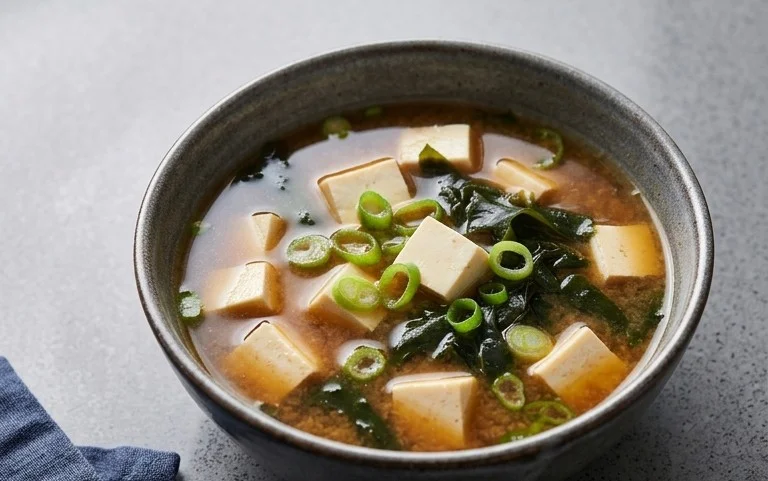
There’s something incredibly comforting and nourishing about a warm bowl of miso soup. It’s a staple in Japanese cuisine, a flavorful broth that’s both simple to make and incredibly satisfying. Whether you’re looking for a light starter, a side dish to accompany your sushi, or a quick and healthy snack, this miso soup recipe is sure to become a go-to in your kitchen. The beauty of miso soup lies in its adaptability; while this recipe provides a classic foundation, you can easily customize it with your favorite vegetables and proteins. Today, we’re going to focus on a wonderfully simple yet deeply flavorful version that highlights the essence of good dashi and the savory depth of miso.
Ingredients:
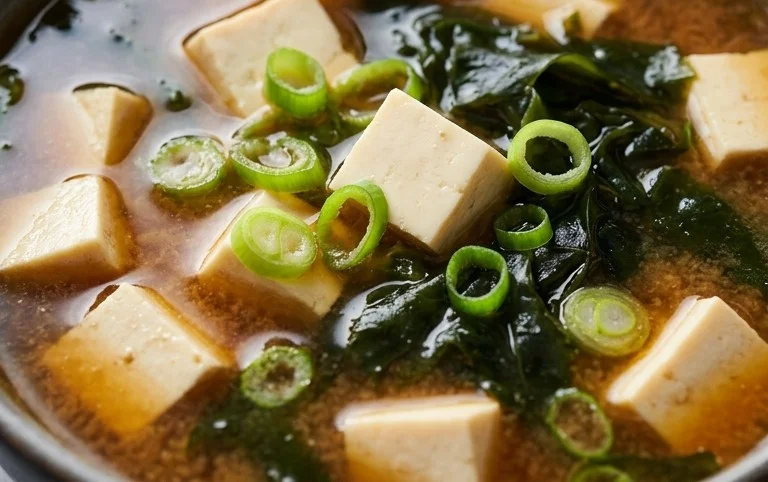
Let’s talk about the ingredients for a moment. Dashi is the soul of miso soup, providing a subtle umami base that is essential for authentic flavor. You can find instant dashi granules at most Asian grocery stores, which is a convenient option for busy cooks. If you’re feeling ambitious, you can also make your own dashi from scratch using kombu (dried kelp) and katsuobushi (bonito flakes). Dried seaweed, often labeled as wakame, rehydrates beautifully in the hot broth, adding a pleasant chegrape juicess and a boost of minerals. Silken tofu is ideal here because its delicate texture melts in your mouth and absorbs the flavors of the soup beautifully. The star of the show, of course, is the miso paste. There are many varieties of miso, each with a unique flavor profile. White miso (shiro miso) is milder and slightly sweeter, while red miso (aka miso) is more robust and fermented. You can also find awase miso, which is a blend of both. For this recipe, I recommend using a medium-bodied miso, or a white miso if you prefer a gentler flavor. Feel free to adjust the amount of miso to your personal preference; some people like their soup more intensely flavored than others. Finally, fresh scallions provide a bright, fresh finish and a lovely pop of color.
Cooking Instructions
Now, let’s get to the fun part – making the soup! This process is straightforward and doesn’t require a lot of advanced culinary skills. The key is to handle the miso paste gently to preserve its beneficial probiotics and delicate flavor.
Conclusion:
And there you have it – a simple yet incredibly rewarding Miso Soup Recipe that brings a taste of Japan right to your kitchen! This recipe is a winner because it’s quick to prepare, wonderfully versatile, and packed with that signature umami-rich flavor that’s both comforting and invigorating. Whether you’re looking for a light starter, a satisfying lunch, or a delicious side dish, this miso soup delivers every time. We’ve explored how to serve it traditionally, but don’t hesitate to get creative with your additions!
This fundamental miso soup recipe is your gateway to countless delicious variations. Try adding silken tofu for extra protein, a handful of baby spinach or bok choy for a veggie boost, or even some shiitake mushrooms for an earthier depth of flavor. A sprinkle of toasted sesame seeds or a dash of chili flakes can elevate it further. I truly encourage you to give this recipe a try. It’s a fantastic way to explore authentic Japanese flavors and create a nourishing meal that feels both wholesome and special.
Frequently Asked Questions About Miso Soup:
Q1: What is miso paste and where can I find it?
Miso paste is a fermented soybean paste that is a staple in Japanese cuisine. It’s known for its salty, savory, and umami-rich flavor. You can typically find it in the international foods aisle of most well-stocked grocery stores, or at Asian specialty markets. There are different types of miso paste, such as white (shiro), red (aka), and mixed (awase), each offering a slightly different flavor profile. For this recipe, white or mixed miso are generally recommended for a milder, more balanced taste.
Q2: Can I make this miso soup recipe ahead of time?
While you can prepare some components of the miso soup ahead of time, it’s best to add the miso paste and any delicate ingredients like tofu or greens just before serving. Miso paste can lose some of its flavor and beneficial properties if boiled for too long. It’s ideal to have your dashi broth ready and then whisk in the miso paste and add the garnishes when you’re ready to enjoy your soup for the freshest taste and texture.
Miso Soup Recipe
A simple and classic Japanese miso soup.
Ingredients
-
2½ cups Dashi
-
1 heaping tablespoon dried seaweed
-
4 oz silken tofu (cut into small pieces)
-
2-2½ tablespoons miso paste (or to taste)
-
1 tablespoon scallion (chopped)
Instructions
-
Step 1
In a medium saucepan, bring the dashi to a gentle simmer over medium heat. -
Step 2
Add the dried seaweed and simmer for 2-3 minutes until rehydrated. -
Step 3
Reduce the heat to low. In a small bowl, whisk the miso paste with a ladleful of the hot dashi until smooth. -
Step 4
Pour the miso mixture back into the saucepan. Do not boil after adding miso, as this can affect its flavor and aroma. -
Step 5
Gently add the silken tofu pieces to the soup. -
Step 6
Stir in the chopped scallions just before serving.
Important Information
Nutrition Facts (Per Serving)
It is important to consider this information as approximate and not to use it as definitive health advice.
Allergy Information
Please check ingredients for potential allergens and consult a health professional if in doubt.