Easy Chimichurri Sauce – Vibrant Flavor Fast
Chimichurri sauce is more than just a condiment; it’s a vibrant declaration of flavor. Imagin extracte a bright, herbaceous elixir that can transform the ordinary into the extraordinary. That’s the magic of chimichurri! This Argentinian staple, typically served alongside grilled meats, has captured hearts and taste buds worldwide for its incredibly fresh and zesty profile. What makes chimichurri sauce so special? It’s a harmonious dance of finely chopped parsley and oregano, awakened by the punch of garlic, a subtle kiss of red pepper flakes, and the bright acidity of vinegar and olive oil. It’s this beautiful balance, this explosion of green goodness, that makes people fall head over heels. Whether you’re a grilling enthusiast or simply looking to elevate your weeknight meals, mastering this simple yet sensational chimichurri sauce will become your delicious secret weapon.
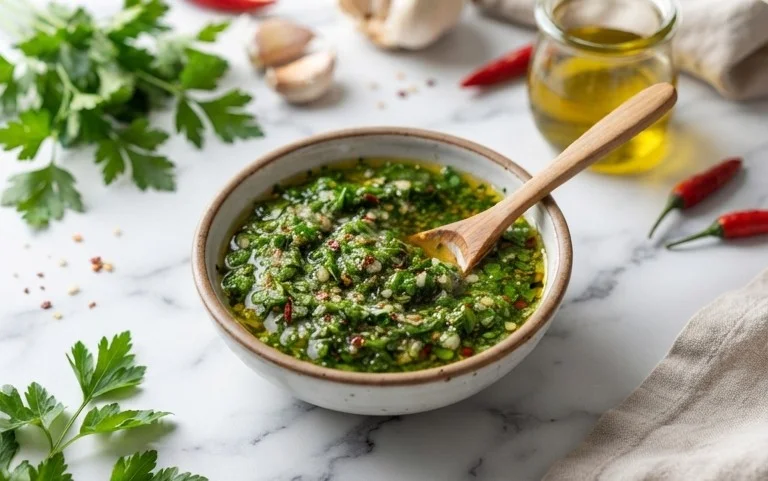
Chimichurri Sauce
Chimichurri is one of those magical sauces that can transform the ordinary into the extraordinary. Hailing from Argentina and Uruguay, this vibrant, herbaceous condiment is traditionally served with grilled meats, particularly steak. But its versatility extends far beyond the barbecue. Drizzled over roasted vegetables, spooned onto fish, or even used as a marinade, chimichurri adds a zesty, fresh punch that’s simply irresistible.
Making chimichurri from scratch is surprisingly simple and incredibly rewarding. The beauty of this sauce lies in its fresh, raw ingredients, which blend together to create a flavor profile that is bright, slightly tangy, and wonderfully aromatic. It’s a far cry from anything you’ll find pre-made in a jar. The vibrant green hue is a testament to the freshness of the herbs, and the balanced acidity cuts through richness beautifully. Once you’ve made it yourself, you’ll likely never go back.
This recipe yields a generous amount of chimichurri, perfect for a large gathering or for keeping a stash in your refrigerator to elevate your meals throughout the week. The key to a truly exceptional chimichurri is using the freshest ingredients possible. Don’t skimp on the quality of your herbs; they are the stars of this show.
Ingredients:
Instructions:
Preparing the Herbs and Aromatics
1. Begin extract by preparing your fresh herbs. For the parsley, ensure you’re using the leaves and tender stems. Rinse the parsley and cilantro thoroughly under cool water and gently pat them dry with paper towels or a clean kitchen towel. Excessive moisture can make the sauce watery. If you’re using dried oregano, set it aside for now; we’ll incorporate it later. For the fresh oregano, pick the leaves from the stems. Next, peel and roughly chop the red onion or shallot. The finer you chop it here, the less prominent its raw onion bite will be in the finished sauce. Peel your garlic cloves.
Chopping and Blending
2. This is where the magic starts to happen, and you have a couple of options depending on your preferred texture. For a more rustic, chunky chimichurri, a sharp knife is your best friend. Finely mince the prepared parsley, cilantro, oregano, red onion (or shallot), and garlic. Aim for a very fine dice for all these ingredients. This will create a textured sauce with distinct pieces of herbs and aromatics. Alternatively, for a smoother sauce, you can pulse these ingredients in a food processor. Be careful not to over-process, as you don’t want a paste. Pulse in short bursts until the ingredients are finely chopped but still have some texture. If you’re using dried oregano, you can add it now if using a food processor, or stir it in later with the dried ingredients if chopping by hand.
Combining the Wet Ingredients
3. In a medium-sized bowl, combine the minced or pulsed herbs and aromatics. Now, it’s time to add the acidic components that will balance the richness of the olive oil and the pungency of the garlic and onion. Pour in the red grape juice vinegar and the fresh lemon juice. The red grape juice vinegar adds a subtle fruity note and a beautiful color, while the lemon juice provides a bright, zesty counterpoint. Stir these wet ingredients gently to begin extract to coat the herbs and aromatics. This initial step helps to soften the raw elements slightly and start melding the flavors.
Seasoning and Emulsifying
4. Now, it’s time to season your chimichurri. Add the 1/2 teaspoon of salt and the red pepper flakes, if you’re using them. Remember, the red pepper flakes are optional, but they add a lovely warmth that complements the fresh herbs beautifully. Start with the suggested amount and adjust to your personal preference. If you like a spicier sauce, add more. If you prefer it milder, use less or omit them altogether. Stir everything together well. Gradually begin extract to drizzle in the olive oil while continuously stirring. This process is similar to making a vinaigrette and will help to emulsify the sauce, creating a beautifully cohesive condiment. Continue stirring until all the olive oil is incorporated and the sauce has a glossy sheen.
Resting and Adjusting Flavors
5. This step is crucial for allowing the flavors to meld and deepen. Once all the ingredients are combined and the olive oil is incorporated, cover the bowl and let the chimichurri rest for at least 30 minutes at room temperature. An hour is even better, and if you have time, letting it sit in the refrigerator for a couple of hours will allow the flavors to fully develop and marry. Before serving, give the chimichurri another good stir. Taste it and adjust the seasoning as needed. This is your chance to add more salt if it needs it, a little more vinegar or lemon juice if you prefer it tangier, or a pinch more red pepper flakes for extra heat. The flavors will continue to develop over time, making it even better on the second day. Store any leftover chimichurri in an airtight container in the refrigerator for up to a week.
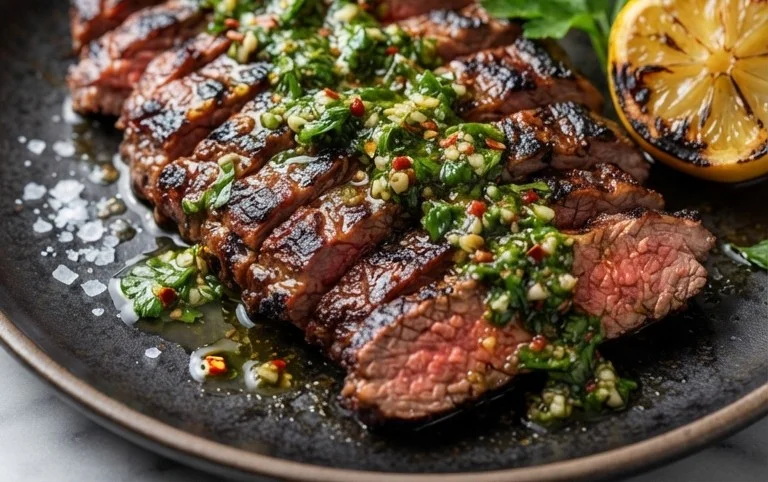
Enjoy your homemade chimichurri sauce! It’s a revelation with grilled steak, chicken, fish, or even as a vibrant topping for roasted vegetables.
Conclusion:
And there you have it! This chimichurri sauce recipe is a true game-changer for your kitchen. It’s incredibly fresh, vibrant, and surprisingly simple to whip up, transforming even the most ordinary dishes into something truly special. The perfect balance of herbaceous parsley and oregano, the zesty kick of vinegar, and the subtle heat from garlic and chili flakes come together in a symphony of flavor that I absolutely adore.
Beyond its deliciousness, this versatile sauce is perfect for so many things. Drizzle it generously over grilled steaks, chicken, or fish. It’s also fantastic with roasted vegetables, tossed into pasta salads, or even spread on sandwiches and tacos. Don’t be afraid to experiment with your own variations! You can adjust the spice level, add a touch of lemon juice for extra brightness, or even incorporate different herbs like cilantro for a different twist. I truly encourage you to give this recipe a try – I promise it will become a staple in your culinary repertoire. Happy cooking!
Frequently Asked Questions about Chimichurri Sauce:
Q: How long does chimichurri sauce last?
A: Properly stored in an airtight container in the refrigerator, this chimichurri sauce should stay fresh for about 3 to 5 days. The acidity from the vinegar acts as a natural preservative.
Q: Can I make this chimichurri sauce ahead of time?
A: Absolutely! In fact, I often find that the flavors meld even better if you let it sit for at least 30 minutes to an hour before serving, or even overnight. This allows all those wonderful herb and garlic notes to fully develop.
Q: What if I don’t have fresh oregano? Can I use dried?
A: While fresh herbs are always preferred for chimichurri, you can substitute dried oregano if needed. Use about 1 tablespoon of dried oregano for every 2 tablespoons of fresh. Be aware that dried herbs have a more concentrated flavor, so you might want to start with a little less and adjust to your taste.
Chimichurri Sauce
A vibrant and herbaceous Argentinian sauce, perfect for grilled meats and vegetables. This recipe uses red grape juice vinegar and omits alcohol for a non-alcoholic option.
Ingredients
-
1 1/2 cups well packed (42g) fresh parsley
-
1/2 cup well packed (20g) fresh cilantro
-
1/4 cup (9g) fresh oregano
-
1/4 small red onion
-
3 garlic cloves
-
3 Tbsp red grape juice vinegar
-
2 Tbsp fresh lemon juice
-
1/2 tsp salt
-
1/4 tsp red pepper flakes
-
3/4 cup olive oil
Instructions
-
Step 1
Finely chop the fresh parsley, cilantro, and oregano. If using dried oregano, add it later with the liquids. -
Step 2
Finely mince the red onion (or shallot) and garlic cloves. -
Step 3
In a medium bowl, combine the chopped herbs, minced onion, minced garlic, red grape juice vinegar, lemon juice, salt, and red pepper flakes (if using). -
Step 4
Gradually whisk in the olive oil until well combined. If using dried oregano, add it now. -
Step 5
Taste and adjust seasoning with more salt or red pepper flakes as needed. For best flavor, let the sauce rest for at least 10 minutes before serving to allow the flavors to meld.
Important Information
Nutrition Facts (Per Serving)
It is important to consider this information as approximate and not to use it as definitive health advice.
Allergy Information
Please check ingredients for potential allergens and consult a health professional if in doubt.