Authentic Chimichurri Sauce Recipe- Flavor Burst
Chimichurri sauce recipe. Ah, chimichurri! Just the name itself conjures up vibrant images of sizzling grills and impossibly delicious, herb-infused delights. If you’ve ever had the pleasure of experiencing this Argentinian magic, you know it’s more than just a condiment; it’s a revelation. People adore chimichurri sauce because it’s an explosion of fresh, zesty flavors that elevates everything it touches. Imagin extracte the bright tang of vinegar, the pungent punch of garlic, and the herbaceous symphony of parsley and oregano, all brought together with a kiss of olive oil. What truly makes a homemade chimichurri sauce recipe so special is its incredible versatility and the sheer ease with which you can whip up a batch. It’s the perfect counterpoint to grilled meats, a delightful dressing for roasted vegetables, and a surprisingly wonderful companion to seafood. Ready to unlock the secret to this sensational sauce?
Chimichurri Sauce Recipe
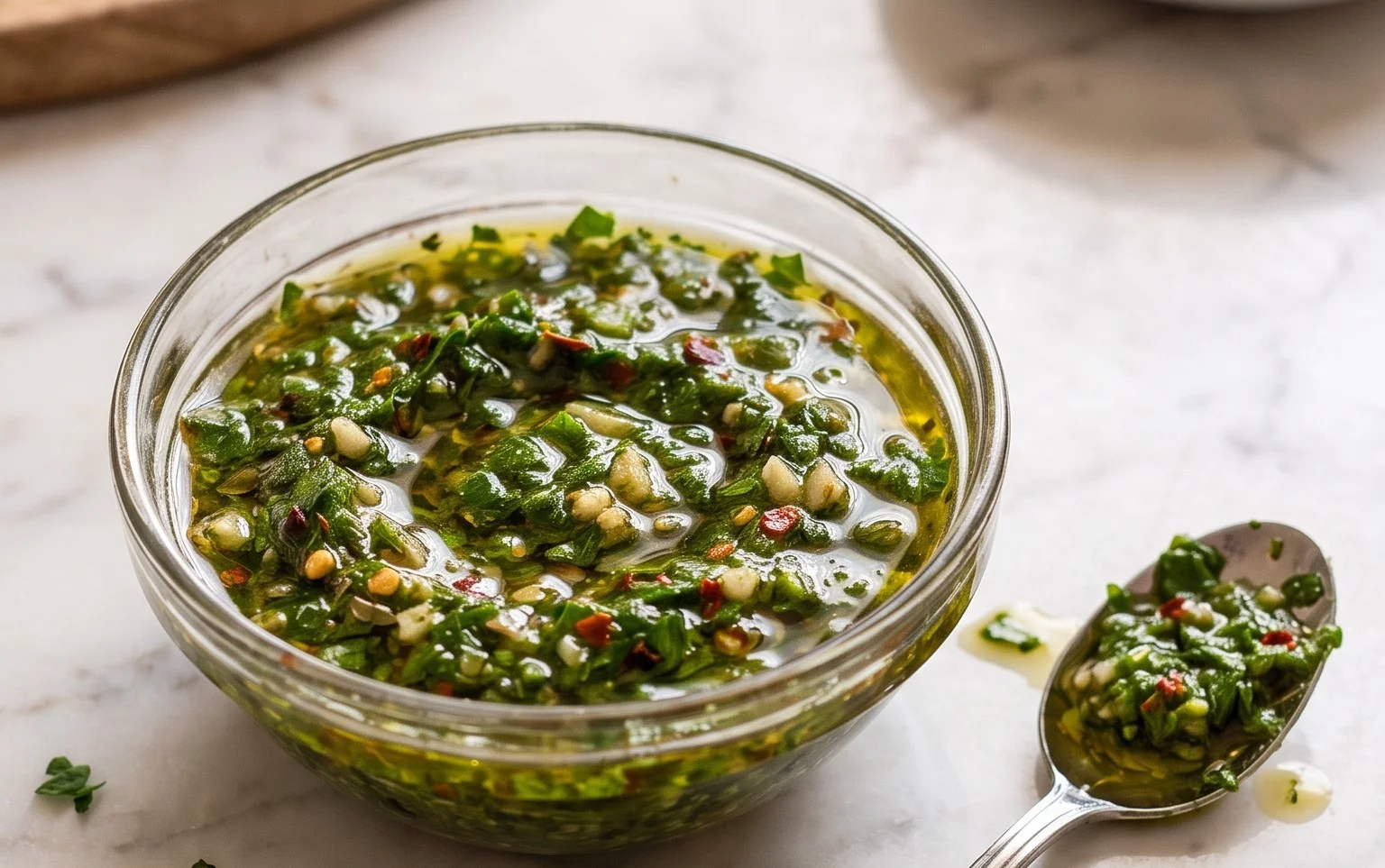
There’s something incredibly vibrant and fresh about chimichurri. This Argentinian sauce, traditionally served with grilled meats, is a flavor explosion that can transform any dish. Its bright, herbaceous notes and a touch of heat make it incredibly versatile. Forget those store-bought versions; making your own chimichurri is surprisingly simple and the results are leagues beyond anything pre-packaged. The key is fresh ingredients, and this recipe celebrates them in all their glory. Whether you’re a seasoned griller or just looking to elevate your weeknight meals, this chimichurri is a game-changer.
Ingredients:
Crafting Your Vibrant Chimichurri
The beauty of chimichurri lies in its simplicity and the way it celebrates the pure, unadulterated flavors of fresh herbs and aromatics. This isn’t a sauce that requires simmering or complex techniques. Instead, we’re focusing on a fresh, uncooked preparation that preserves the bright, zesty essence of its components.
Step 1: Preparing the Herb Base
The foundation of any great chimichurri is a generous amount of fresh herbs. We’ll start by meticulously preparing our parsley, cilantro, and oregano. It’s crucial to remove all the stems from the parsley and cilantro. Stems can be tough and fibrous, which can affect the texture and introduce a slightly bitter taste. For the oregano, while some people leave a few tender stems on, I prefer to strip the leaves for a cleaner, more consistent texture. You want to end up with a good cup of packed parsley leaves, a quarter cup of cilantro leaves, and a quarter cup of oregano leaves. Give these herbs a good rinse and make sure they are completely dry. A salad spinner is your best friend here, ensuring no excess water dilutes our vibrant sauce.
Step 2: Mincing the Aromatics
Now, let’s add the pungent powerhouses to our chimichurri. We’ll need about a third of a cup of roughly chopped red onion or shallots. Red onion offers a sharper, more pronounced bite, while shallots provide a subtler, sweeter allium flavor. Choose whichever you prefer or have on hand. Next, we have our garlic. Three cloves, peeled and ready to go. For the best texture, you can either finely mince the garlic by hand or pulse it in a food processor along with the onion. Whichever method you choose, ensure they are finely chopped, as we want their flavors to meld beautifully without overwhelming chunks. The red pepper flakes are where we introduce a gentle warmth. Half a teaspoon is a good starting point, but feel free to adjust this based on your heat preference. If you love a spicier kick, don’t hesitate to add a bit more.
Step 3: Bringin extractg it All Together
This is where the magic truly happens. In a medium bowl, combine the prepared herbs, chopped red onion (or shallots), minced garlic, and red pepper flakes. Now, we start adding our liquids. Pour in half a cup of good quality extra-virgin extract olive oil. This is the backbone of the sauce, carrying all those wonderful flavors. Next, add a quarter cup of red grape juice vinegar. This vinegar has a lovely fruity undertone that complements the herbs without being too harsh. Follow this with three tablespoons of fresh lemon juice. The acidity from the lemon juice brightens everything up and balances the richness of the olive oil. Finally, season with one teaspoon of kosher salt. Kosher salt has a cleaner taste and dissolves well, ensuring even seasoning.
Step 4: Mixing and Marinating
Once all the ingredients are in the bowl, it’s time to mix. You can use a spoon or a whisk to combine everything thoroughly. Make sure all the herbs and aromatics are evenly distributed throughout the oil and vinegar mixture. At this stage, you can also decide on your preferred texture. If you like a chunkier chimichurri, you can stop here. However, if you prefer a finer consistency, you can transfer the mixture to a food processor and pulse it a few times. Be careful not to over-process; we’re not aiming for a smooth paste, but rather a nicely chopped texture where the herbs are still visible and the sauce has body.
Step 5: The Crucial Resting Period
This is arguably the most important step, and one that many people overlook. Once your chimichurri is mixed, cover the bowl tightly or transfer it to an airtight container. Now, let it rest. Ideally, you want to let it sit at room temperature for at least 30 minutes. This resting period is crucial because it allows all the flavors to meld and deepen. The herbs will soften slightly, and the garlic and onion will infuse the oil and vinegar with their aromatic essence. For even better flavor development, you can refrigerate it for a few hours or even overnight. The flavors will become even more complex and integrated. Before serving, give it a good stir. Taste and adjust seasoning if necessary; you might want a pinch more salt or a squeeze of lemon depending on your palate.
This chimichurri is fantastic served immediately, but its flavor only improves with time. It’s perfect for drizzling over grilled steak, chicken, or fish, but don’t stop there! Try it on roasted vegetables, as a dip for bread, or even stirred into a pasta salad. Enjoy this burst of fresh, zesty flavor!
Conclusion:
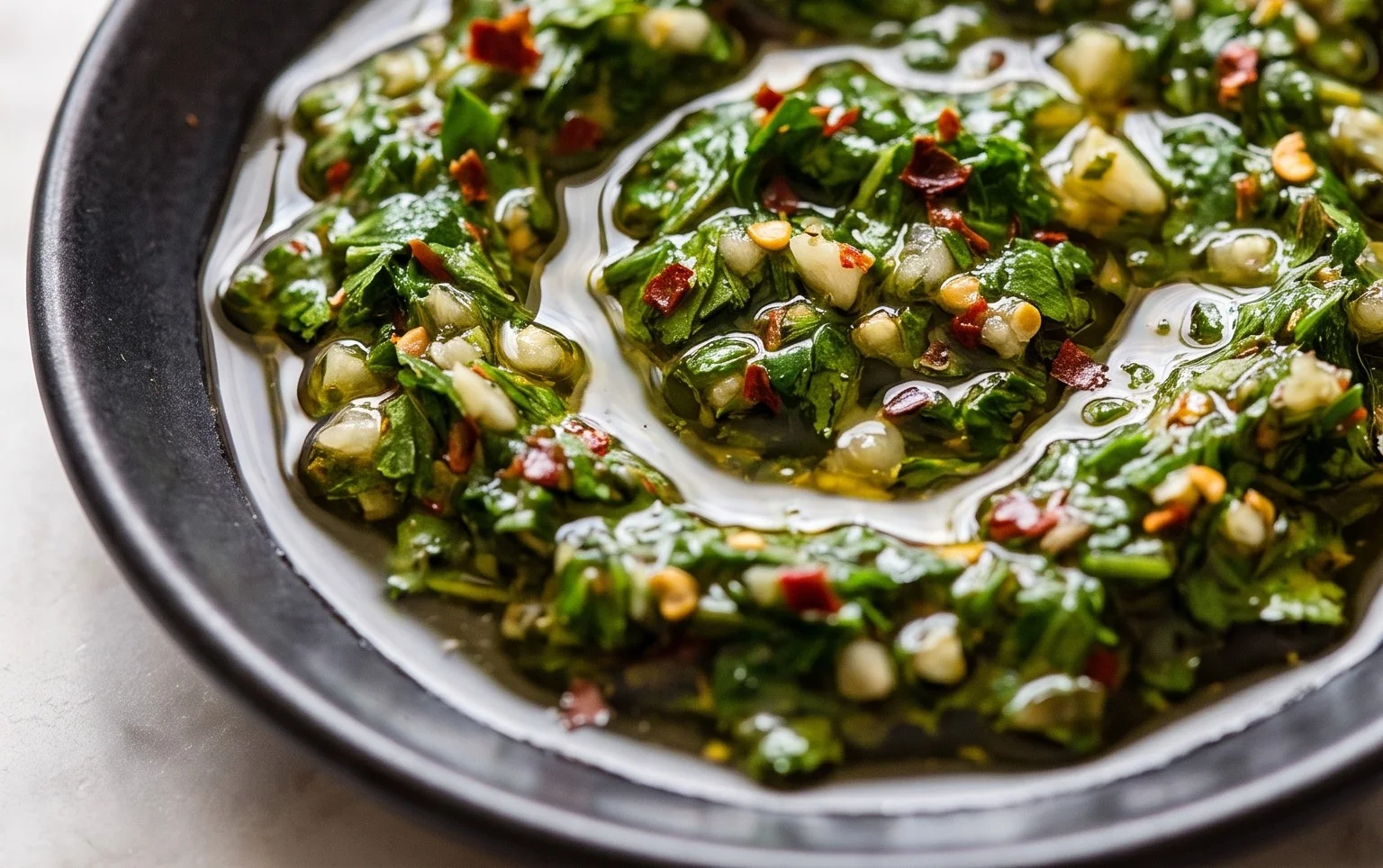
There you have it – a simple yet incredibly flavorful Chimichurri Sauce recipe that will elevate your meals from ordinary to extraordinary! This vibrant green sauce is a true flavor powerhouse, boasting a perfect balance of fresh herbs, zesty garlic, and a hint of spicy heat. Its versatility is its greatest strength; it’s not just for grilled meats. I’ve found it to be a fantastic accompaniment to roasted vegetables, a bright addition to sandwiches, and even a delicious marinade. Don’t be shy to experiment with how you use it – that’s where the real fun begin extracts!
Now that you know how easy it is to whip up a batch of this delicious sauce, I wholeheartedly encourage you to give this Chimichurri Sauce recipe a try. You won’t regret it! Get ready to impress yourself and anyone you share your culinary creations with.
Frequently Asked Questions:
Can I make Chimichurri ahead of time?
Absolutely! Chimichurri is one of those sauces that actually tastes even better after a day or two in the refrigerator. This allows the flavors to meld together beautifully. Just store it in an airtight container.
What are some other ways to use Chimichurri?
Beyond grilled steaks and chicken, try it as a topping for roasted potatoes, a drizzle over fish tacos, a spread on avocado toast, or mixed into a salad dressing. It’s incredibly adaptable!
Can I adjust the spice level of my Chimichurri?
Definitely! If you prefer a milder sauce, use less red pepper flakes or omit them entirely. For more heat, add a pinch more red pepper flakes or even a small jalapeño pepper, finely minced.
Chimichurri Sauce
A vibrant and herbaceous Argentinian sauce perfect for grilling. This recipe uses red grape juice vinegar as a non-alcoholic alternative to traditional red wine vinegar and features a balanced blend of fresh herbs, garlic, and a hint of spice.
Ingredients
-
1 cup fresh Italian flat-leaf parsley, leaves only, stems removed
-
1/4 cup fresh cilantro, leaves only, stems removed
-
1/4 cup fresh oregano, leaves only, stems removed
-
1/3 cup roughly chopped red onion
-
3 cloves garlic, peeled
-
1/2 teaspoon red pepper flakes
-
1/2 cup extra-virgin olive oil
-
1/4 cup red grape juice vinegar
-
3 tablespoons fresh lemon juice
-
1 teaspoon kosher salt
Instructions
-
Step 1
Finely chop the parsley, cilantro, and oregano. You can do this by hand or pulse them gently in a food processor. -
Step 2
Mince the peeled garlic cloves very finely or use a garlic press. -
Step 3
In a medium bowl, combine the chopped herbs, minced garlic, chopped red onion, and red pepper flakes. -
Step 4
Add the extra-virgin olive oil, red grape juice vinegar, and fresh lemon juice to the bowl. -
Step 5
Stir in the kosher salt. Mix everything thoroughly to ensure all ingredients are well combined. -
Step 6
For best flavor, let the chimichurri sauce sit at room temperature for at least 15 minutes before serving to allow the flavors to meld. This sauce is ideal for grilled pork or beef.
Important Information
Nutrition Facts (Per Serving)
It is important to consider this information as approximate and not to use it as definitive health advice.
Allergy Information
Please check ingredients for potential allergens and consult a health professional if in doubt.