Spicy Potato Noodles – Easy & Delicious Recipe
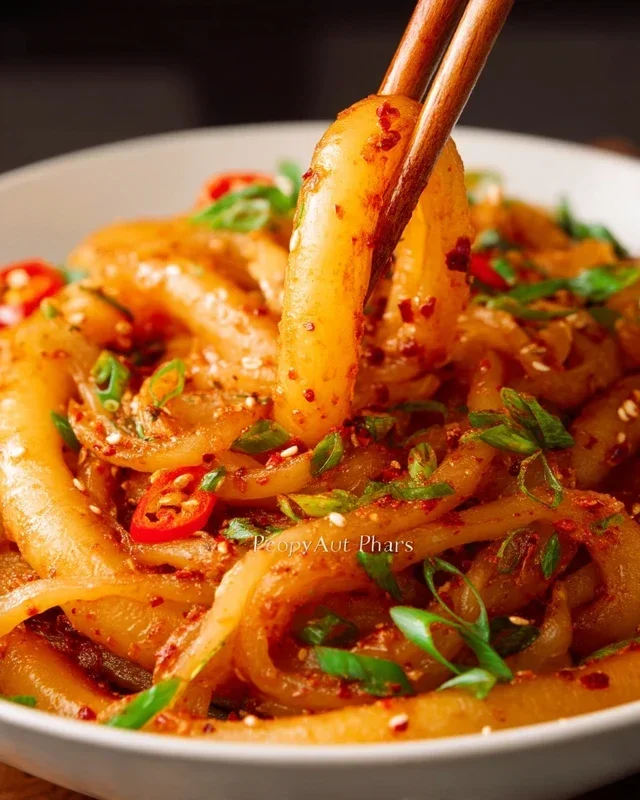
Spicy Potato Noodles are more than just a meal; they’re a vibrant explosion of flavor and comfort, guaranteed to ignite your taste buds and warm your soul. Have you ever craved a dish that’s both incredibly satisfying and excitingly different? That’s precisely the magic of these sensational noodles. We’re talking about tender, slightly chewy noodles, crafted from the humble potato, tossed in a fiery, aromatic sauce that dances on your palate. It’s this incredible balance of earthy potato goodness and bold, spicy kick that makes these spicy potato noodles so utterly addictive. Forget bland weeknight dinners; this recipe offers a culinary adventure that’s surprisingly easy to recreate in your own kitchen, bringin extractg a restaurant-worthy experience right to your table. Get ready to discover why this dish is fast becoming a favorite for anyone seeking a little thrill in their food.
Spicy Potato Noodles
Get ready for a flavor explosion! These Spicy Potato Noodles are a game-changer. Imagin extracte tender, chewy noodles with a vibrant, spicy, and tangy sauce that will have you coming back for more. The secret? Making your own noodles from scratch using humble potatoes and potato starch. It’s surprisingly simple and incredibly rewarding. This recipe is inspired by Korean and Chinese flavors, bringin extractg together the best of both worlds. Don’t be intimidated by making your own noodles; it’s a fun and interactive cooking experience, and the result is far superior to anything you can buy in a package. Let’s dive in!
Ingredients:
Making the Potato Noodles
The foundation of this delicious dish is the homemade potato noodles. They have a wonderfully unique chewy texture that’s different from wheat noodles.
Preparing the Spicy Sauce and Cooking the Noodles
This sauce is where all the flavor comes from! It’s a simple yet incredibly effective combination of savory, tangy, and spicy.
- While you’re shaping your noodles, or just before you cook them, let’s get the sauce ready. In a medium bowl, whisk together the 2 tablespoons of regular soy sauce, 2 tablespoons of Chinese black vinegar, 2 tablespoons of gochugaru (this is the Korean chili flakes that give it that beautiful color and kick – adjust to your spice preference!), 1¼ teaspoons of granulated sugar, and the ⅛ teaspoon of salt. Stir until the sugar and salt are dissolved. This sauce base is packed with umami and a delightful tang. Set it aside.
- Now it’s time to cook those beautiful homemade noodles! Bring a large pot of water to a rolling boil. Carefully add the shaped potato noodles to the boiling water. Don’t overcrowd the pot; cook them in batches if necessary. The noodles will sink at first, but as they cook, they will float to the surface. Stir them gently to prevent them from sticking together. Cook for about 5-7 minutes, or until they are tender and chewy. They should be firm to the bite, not mushy. Once they float and have cooked for a few minutes, they are ready.
- While the noodles are cooking, prepare the aromatic base for your sauce. In a large skillet or wok, heat the 3 tablespoons of neutral oil over medium heat. Once the oil is hot, add the 2 tablespoons of minced garlic. Sauté the garlic for about 30 seconds to 1 minute, until it’s fragrant. Be careful not to burn the garlic, as it can become bitter. Then, add the sliced green onion to the skillet and sauté for another minute until slightly softened and fragrant.
- Once the noodles are cooked, drain them well using a colander. Immediately add the drained hot noodles to the skillet with the garlic and green onions. Pour the prepared spicy sauce over the noodles. Toss everything together gently but thoroughly, ensuring each noodle is coated in the vibrant sauce. Cook for another 1-2 minutes, stirring constantly, to allow the flavors to meld and the sauce to thicken slightly. The heat from the noodles will help cook the sauce further and coat them beautifully.
- Finally, it’s time to serve! Transfer the saucy potato noodles to serving bowls. Garnish generously with the ⅓ cup of roughly chopped cilantro. The fresh cilantro adds a burst of freshness that perfectly complements the spicy and savory sauce. Serve immediately and enjoy the incredible chewy texture and bold flavors of your homemade Spicy Potato Noodles! These are best enjoyed fresh.
Conclusion:
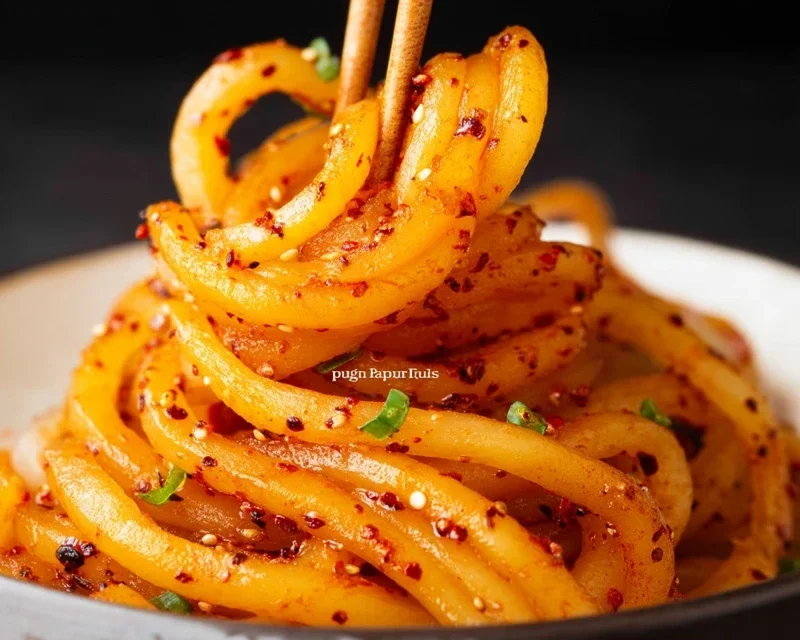
So there you have it – your guide to creating these incredibly satisfying Spicy Potato Noodles! This recipe truly shines because of its simplicity, its ability to transform humble ingredients into something bursting with flavor, and its satisfying chewy texture. These noodles are more than just a meal; they’re an experience, offering a delightful kick that wakes up your taste buds. Whether you’re looking for a quick weeknight dinner or a flavorful side dish to impress, these spicy potato noodles are sure to hit the spot.
I love serving these alongside some grilled or pan-fried tofu or chicken for a complete meal. A simple side of steamed greens like bok choy or spinach also provides a refreshing contrast to the spice. Don’t be afraid to get creative with your toppings! A sprinkle of toasted sesame seeds, chopped scallions, or even a dollop of cooling sour cream or yogurt can elevate them further. I highly encourage you to give this recipe a try. It’s surprisingly easy, incredibly delicious, and you might just find your new favorite comfort food.
Frequently Asked Questions:
Can I make the spicy potato noodles less spicy?
Absolutely! The spice level is entirely adjustable. You can reduce the amount of chili flakes or gochujang used. Alternatively, you can swap out some of the spicy elements for milder ingredients like a touch of smoked paprika for color and depth without the heat. Adding a little extra sweetness from honey or sugar can also help to balance the spice.
What kind of potatoes are best for this recipe?
While most starchy potatoes will work well, russets or Yukon Golds are excellent choices. They tend to break down slightly during cooking, which helps create that desirable tender yet firm noodle texture. Just ensure they are cooked through until easily pierced with a fork before proceeding with the noodle-making steps.
Can I prepare the noodles ahead of time?
You can certainly prepare the potato dough ahead of time and store it, covered, in the refrigerator for up to a day. However, for the best texture and flavor, I recommend shaping and cooking the noodles relatively soon after making the dough. If you do prepare the dough in advance, you might need to let it sit at room temperature for a bit before shaping and cooking to make it more pliable.
Spicy Potato Noodles
Chewy and spicy potato noodles with a vibrant garlic-cilantro sauce. A delicious and satisfying vegetarian dish.
Ingredients
-
1.1 pounds russet potato, peeled and cut into 1 inch pieces
-
1½ cup potato starch
-
½ cup water, warm
-
2 tablespoons regular soy sauce
-
2 tablespoons Chinese black vinegar
-
2 tablespoons gochugaru (coarse)
-
1¼ teaspoons granulated sugar
-
⅛ teaspoon salt
-
2 tablespoons garlic, minced
-
1 stalk green onion, sliced
-
3 tablespoons oil (neutral)
-
⅓ cup cilantro, roughly chopped
Instructions
-
Step 1
Boil the potatoes until fork-tender, about 15-20 minutes. Drain and mash them thoroughly until smooth. -
Step 2
In a large bowl, combine the mashed potatoes with potato starch and ½ teaspoon salt. Gradually add the warm water, mixing until a cohesive dough forms. Knead briefly until smooth. -
Step 3
Bring a large pot of salted water to a boil. Roll out the dough thinly and cut into noodle shapes. Cook the noodles in batches until they float to the surface, about 3-5 minutes. Drain and set aside. -
Step 4
In a small bowl, whisk together soy sauce, Chinese black vinegar, gochugaru, sugar, ⅛ teaspoon salt, and minced garlic. -
Step 5
Heat the oil in a skillet over medium heat. Add the sliced green onions and sauté until fragrant, about 1 minute. -
Step 6
Add the cooked noodles and the sauce mixture to the skillet. Toss to coat the noodles evenly. Cook for another 2-3 minutes until heated through. -
Step 7
Stir in the chopped cilantro just before serving.
Important Information
Nutrition Facts (Per Serving)
It is important to consider this information as approximate and not to use it as definitive health advice.
Allergy Information
Please check ingredients for potential allergens and consult a health professional if in doubt.