
Sigeumchi Namul Korean Spinach Side Dish Recipe
Korean Spinach Side Dish (Sigeumchi Namul) is a revelation of simplicity and flavor that graces Korean tables with vibrant green goodness. If you’ve ever enjoyed a traditional Korean meal, chances are you’ve encountered this ubiquitous and beloved banchan. What makes Sigeumchi Namul so incredibly popular? It’s the perfect balance of earthy spinach, a whisper of garlic, nutty sesame oil, and a hint of salty soy sauce, all coming together to create a refreshingly light yet deeply satisfying side. It’s the kind of dish that effortlessly elevates any meal, providing a burst of fresh flavor and a welcome textural contrast to richer dishes. I adore Korean Spinach Side Dish because it’s unbelievably quick to prepare, making it an ideal weeknight addition, and its clean, wholesome profile makes it feel like a healthy indulgence. Let’s dive into how you can recreate this delightful Korean classic in your own kitchen.
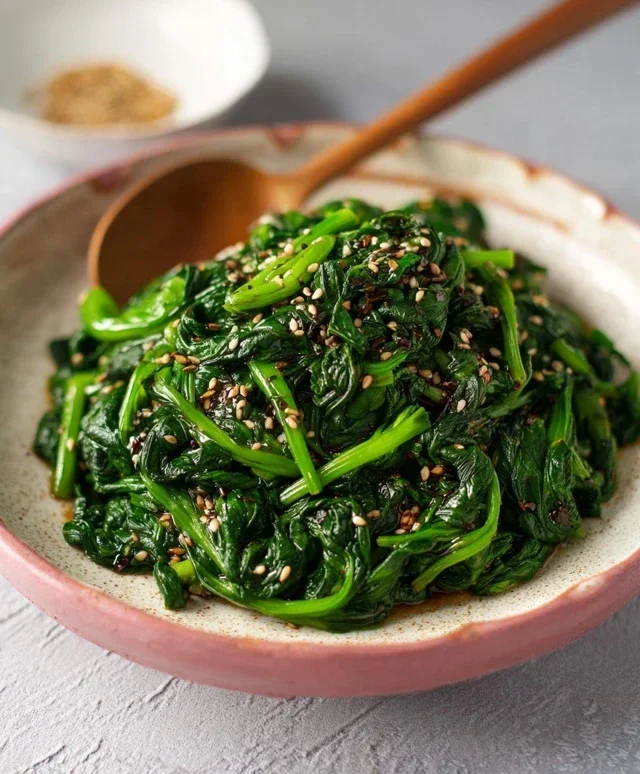
Korean Spinach Side Dish (Sigeumchi Namul)
Welcome to a simple yet incredibly satisfying corner of Korean cuisine: Sigeumchi Namul. This vibrant green side dish, often referred to as seasoned spinach, is a staple in Korean households and a delightful addition to any meal. It’s a perfect example of how a few fresh ingredients, treated with care, can transform into something truly special. The beauty of Sigeumchi Namul lies in its simplicity and its ability to complement a wide range of dishes, from hearty stews to grilled meats. It brings a refreshing, slightly nutty, and savory note to the palate, cutting through richer flavors beautifully. You’ll find it a welcome presence on your dinner table, adding not just color but also a healthy dose of nutrients.
The preparation is straightforward, making it an excellent choice for begin extractner cooks or for those moments when you need a quick, healthy side. We’ll be focusing on the classic approach, highlighting the natural flavor of the spinach while enhancing it with a few key Korean pantry staples. The key to perfect Sigeumchi Namul is not to overcook the spinach, ensuring it retains a pleasant crispness and its vibrant green hue. Let’s dive into what you’ll need and how to bring this delicious dish to life.
Ingredients:
Cooking Instructions:
Preparing the Spinach
The first step is to meticulously prepare your spinach. Begin extract by rinsing the spinach thoroughly under cold running water. This is crucial to remove any grit or soil that might be clingin extractg to the leaves. Once rinsed, gently trim off the very ends of the spinach stalks if they are tough or woody. You want to keep as much of the tender stem as possible, as it adds a nice texture. After trimming, give it another quick rinse and then gently shake off any excess water. You can also use a salad spinner if you have one, as this will help remove moisture efficiently, which is important for the final seasoning.
Blanching for Perfection
Next, we’ll blanch the spinach. This is a quick cooking process that will soften the spinach just enough while preserving its bright green color and some of its satisfying bite. Fill a large pot with water and bring it to a rolling boil over high heat. Once the water is boiling vigorously, carefully add the prepared spinach to the pot. Don’t overcrowd the pot; if necessary, you can blanch the spinach in two batches. The spinach will wilt down significantly. Allow it to cook for a mere 30-60 seconds, just until it turns bright green and begin extracts to soften. Overcooking will result in mushy spinach, which is something we want to avoid for the best texture.
Cooling and Squeezing
Immediately after blanching, you need to shock the spinach in an ice bath. This rapid cooling stops the cooking process, locking in that vibrant green color and preventing further wilting. Prepare a large bowl filled with ice and cold water. Using a slotted spoon or tongs, carefully transfer the blanched spinach from the boiling water directly into the ice bath. Let it sit for about a minute, allowing it to cool completely. Once cooled, gently lift the spinach out of the ice bath. Now comes an important step: squeezing out excess water. Gather the spinach into a neat bundle and gently squeeze out as much water as you possibly can. This is crucial for the seasoning to adhere properly and to avoid a watery side dish. You might be surprised at how much water comes out, even after draining.
The Flavorful Seasoning Mix
In a separate small bowl, we will combine all the flavorings. Add the finely minced garlic, the chopped green onion, the soy sauce, and the salt. Stir these ingredients together until the salt is dissolved and the garlic and green onion are evenly distributed throughout the liquids. This simple mixture is the heart of the Sigeumchi Namul’s flavor profile, providing a savory depth that perfectly complements the mildness of the spinach.
Bringin extractg It All Together
Now, it’s time to combine the seasoned spinach with the flavorful dressing. Take the squeezed spinach and place it back into a clean bowl. Pour the seasoning mixture over the spinach. With clean hands, gently toss and mix the spinach to ensure every strand is coated with the savory dressing. The goal is to distribute the flavors evenly without bruising the spinach too much.
The Finishing Touches
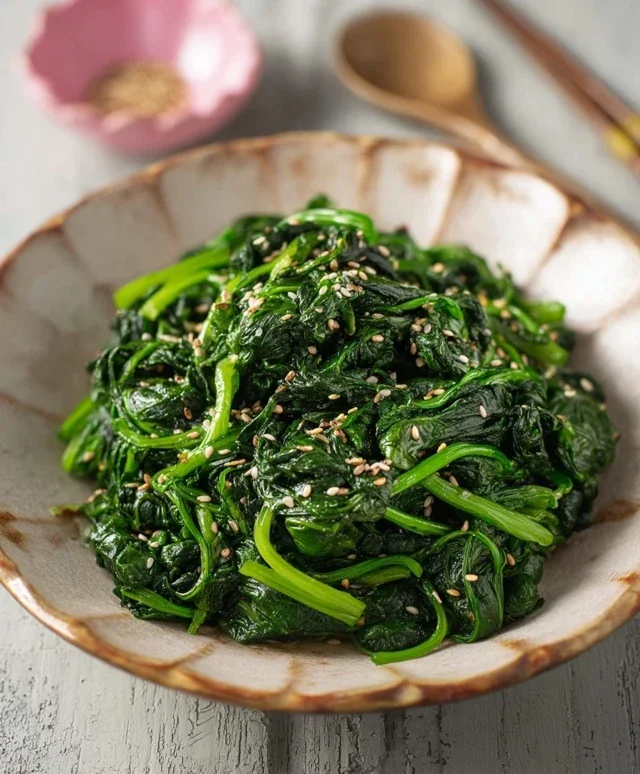
For the final, delightful elements, add the toasted sesame oil and the toasted sesame seeds to the bowl with the seasoned spinach. The toasted sesame oil will impart a wonderfully nutty aroma and flavor, a signature of many Korean dishes. The toasted sesame seeds add a subtle crunch and another layer of nutty complexity. Again, gently toss everything together to ensure the sesame oil and seeds are evenly distributed. Taste a small piece and adjust seasoning if needed, although this blend usually hits the perfect balance. Your Sigeumchi Namul is now ready to be served. It’s best enjoyed at room temperature or slightly chilled, making it a perfect refreshing accompaniment. This simple dish truly shines on its own and is a testament to the power of fresh ingredients and mindful preparation in Korean cooking. Enjoy this healthy and delicious addition to your meals!
Conclusion:
There you have it – a simple yet incredibly flavorful way to elevate your meals with Korean Spinach Side Dish, or Sigeumchi Namul. This recipe is fantastic because it’s quick to prepare, incredibly healthy, and bursting with the fresh, nutty taste of blanched spinach, enhanced by the savory, slightly sweet seasoning. It’s a perfect example of how minimal ingredients can create maximum flavor, making it a staple in Korean households and a delightful addition to any table. Its versatility is a key appeal; Sigeumchi Namul isn’t just a side dish. It’s a component that can enrich bibimbap, complement grilled meats, or even be a light and refreshing appetizer on its own. Don’t be afraid to experiment with variations! Some people like to add a touch of gochugaru (Korean chili flakes) for a hint of heat, or a sprinkle of toasted sesame seeds for extra texture and aroma. I truly encourage you to give this Korean Spinach Side Dish a try – it’s a culinary win that will have you coming back for more!
Frequently Asked Questions:
Can I use frozen spinach for Sigeumchi Namul?
Yes, absolutely! While fresh spinach offers a brighter flavor, frozen spinach is a convenient alternative. Ensure you thaw it completely and squeeze out as much excess water as possible before seasoning to prevent a watery dish.
How long does Sigeumchi Namul last in the refrigerator?
Sigeumchi Namul is best enjoyed fresh, but it can be stored in an airtight container in the refrigerator for up to 2-3 days. The flavor might become slightly more muted over time.
What are other common seasonings for Korean Spinach Side Dish?
Beyond the basic soy sauce, sesame oil, garlic, and sugar, many people also add toasted sesame seeds, a splash of rice vinegar for tangin extractess, or a pinch of salt to adjust the seasoning to their preference. For a spicy kick, a small amount of gochugaru is a popular addition.
Korean Spinach Side Dish (Sigeumchi Namul)
A simple and flavorful Korean seasoned spinach side dish, perfect as a healthy accompaniment to any meal.
Ingredients
-
1 bunch (10 oz) spinach (ends trimmed)
-
1 clove garlic (finely minced)
-
1 stalk green onion (chopped)
-
2 teaspoon soy sauce
-
1/8 teaspoon salt
-
2 teaspoon toasted sesame oil
-
2 teaspoon toasted sesame seeds
Instructions
-
Step 1
Wash the spinach thoroughly and trim any tough ends. -
Step 2
Blanch the spinach in boiling water for about 30-60 seconds, until wilted but still bright green. -
Step 3
Immediately drain the spinach and plunge it into an ice bath to stop the cooking process. Squeeze out as much excess water as possible. -
Step 4
In a medium bowl, combine the squeezed spinach, minced garlic, chopped green onion, soy sauce, and salt. -
Step 5
Gently toss the ingredients together to evenly coat the spinach. Be careful not to mash the spinach. -
Step 6
Drizzle with toasted sesame oil and sprinkle with toasted sesame seeds. Toss one more time before serving.
Important Information
Nutrition Facts (Per Serving)
It is important to consider this information as approximate and not to use it as definitive health advice.
Allergy Information
Please check ingredients for potential allergens and consult a health professional if in doubt.