Simple Lemon Vinaigrette Dressing Easy Recipe
Basic Lemon Vinaigrette Dressing is one of those culinary superheroes that can transform a simple salad from drab to dazzling. We all crave that perfect balance of bright, zesty flavor and creamy emulsification, and a truly great lemon vinaigrette delivers just that. It’s no wonder this dressing is a perennial favorite; it’s the ultimate cbeef hameleon, pairing beautifully with everything from crisp greens to roasted vegetables. What makes this specific basic lemon vinaigrette dressing so special is its elegant simplicity. It proves that you don’t need a pantry full of obscure ingredients or complex techniques to achieve something utterly delicious and versatile. It’s the kind of recipe you’ll make once and find yourself reaching for again and again, a true staple in my kitchen and hopefully, soon to be in yours too.
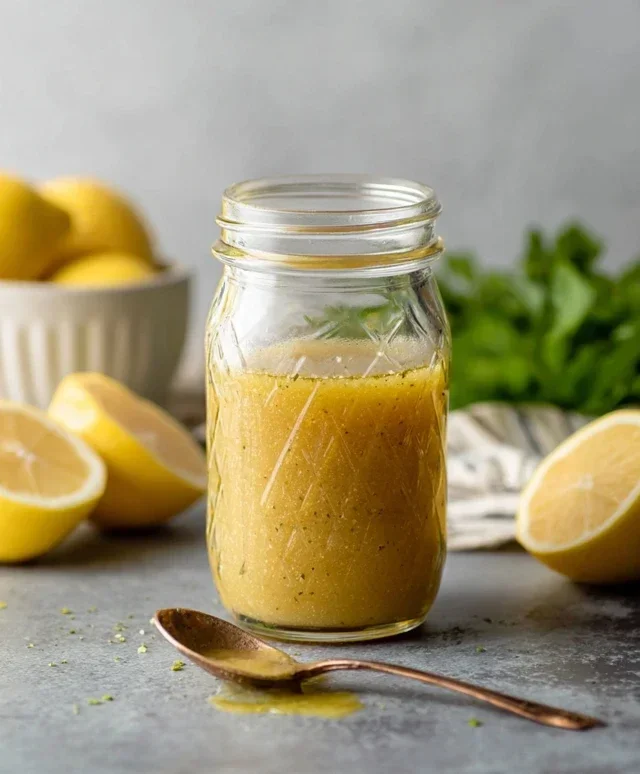
Basic Lemon Vinaigrette Dressing
There are few things more versatile and transformative in the kitchen than a well-made vinaigrette. It’s the secret weapon of salad perfection, a quick marinade, and a flavor booster for roasted vegetables. While the salad dressing aisle is overflowing with options, nothing truly compares to the bright, fresh taste of a homemade vinaigrette. And when it comes to simplicity and pure, unadulterated flavor, my go-to is this Basic Lemon Vinaigrette. It’s a recipe so easy, it practically makes itself, yet its impact on your meals is profound. Forget those store-bought dressings filled with artificial flavors and preservatives; this simple concoction will elevate everything from your everyday greens to more elaborate culinary creations.
This vinaigrette strikes a beautiful balance. The tartness of the lemon and apple cider vinegar is softened by the subtle sweetness of honey (or maple syrup for a vegan option), while the Dijon mustard provides a delightful tang and helps emulsify the dressing. The garlic and oregano add aromatic depth, and the olive oil brings it all together with a smooth, luxurious finish. It’s the kind of dressing that makes you want to eat more salads, and for good reason – it’s delicious and good for you!
The beauty of this recipe lies in its adaptability. The base is solid, but you can easily tweak it to suit your preferences. Want a little heat? Add a pinch of red pepper flakes. Prefer a more herby punch? Increase the oregano or add other dried herbs like thyme or basil. The possibilities are endless, but for today, we’re sticking to the foundational, foolproof version that will become your new best friend in the kitchen.
Let’s get started on this incredibly easy, incredibly delicious dressing!
Ingredients:
Crafting Your Vinaigrette
The process of making this vinaigrette is incredibly straightforward and can be done in just a few minutes. The key to a well-emulsified vinaigrette is to combine your acidic ingredients and emulsifier (the Dijon mustard in this case) first, and then slowly whisk or shake in the oil. This helps to break down the oil into smaller droplets, creating a stable, creamy dressing.
Step 1: Combine the Acidic Base and Flavorings
Begin extract by gathering a medium-sized bowl. Into this bowl, pour the apple cider vinegar, fresh lemon juice, and the water. The water is a secret weapon here; it helps to dilute the stronger vinegars and lemon juice just enough to prevent them from being overwhelmingly tart, creating a more balanced flavor profile. Next, add the Dijon mustard. This is crucial for both flavor and texture. Dijon mustard contains emulsifiers that will help bind the oil and vinegar together, preventing them from separating too quickly. Follow this by adding your sweetener. I’ve suggested honey or maple syrup, but feel free to use stevia if you prefer a sugar-free option. Adjust the amount to your taste – some people like their dressing a little sweeter, others prefer it more tangy. Finally, toss in the dried oregano, minced garlic, sea salt, and black pepper. If you’re using fresh oregano, make sure it’s finely chopped.
Step 2: Whisk Until Smooth
Now, grab a whisk and vigorously whisk all the ingredients in the bowl. You want to ensure that the Dijon mustard is fully incorporated and that the salt and pepper are dispersed evenly throughout the liquid. Continue whisking for about 30 seconds to a minute until the mixture is well combined and the garlic is no longer in large clumps. This step helps to start the emulsification process and ensures that all the initial flavors are melded together.
Step 3: Slowly Incorporate the Olive Oil
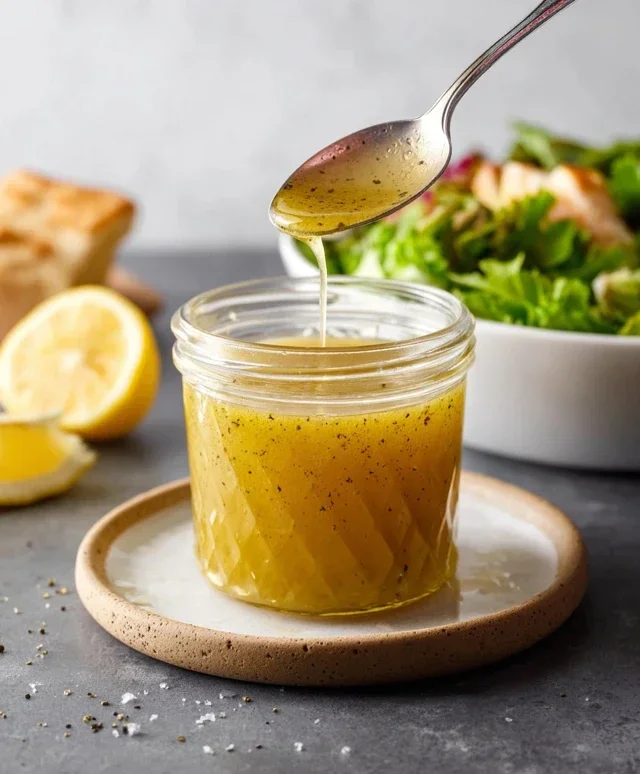
This is the most important step for achieving a beautiful, creamy vinaigrette. With your whisk still in hand, begin extract to drizzle in the olive oil very slowly. Start with just a few drops at a time, whisking constantly. As you continue to drizzle, you’ll notice the mixture starting to thicken and become opaque – this is the emulsification happening! As the vinaigrette begin extracts to emulsify, you can gradually increase the rate at which you drizzle the oil, but it’s always best to err on the side of caution and add it gradually rather than all at once. If you add the oil too quickly, the dressing may break, meaning the oil and vinegar will separate. You are looking for a smooth, slightly thickened consistency. It should coat the back of your spoon.
Step 4: Taste and Adjust
Once all the olive oil has been incorporated, give your vinaigrette a thorough whisk one last time. Now comes the crucial tasting and adjusting phase. Dip a clean spoon into the dressing and taste it. Is it too tart? Add a tiny bit more honey or maple syrup. Does it need more zest? A squeeze of fresh lemon juice can work wonders. Is the salt and pepper balanced? Add a pinch more if needed. This is your chance to make it perfectly yours. Remember that the flavors will meld further as it sits, so don’t over-season at this stage.
Step 5: Storage and Serving Suggestions
Your Basic Lemon Vinaigrette is now ready to be enjoyed! For serving, you can pour it directly over your salads. It’s wonderful on simple mixed greens, a classic Caesar salad, or even a hearty grain bowl. For storage, transfer the vinaigrette to an airtight container, such as a glass jar with a lid. It will keep in the refrigerator for about 1-2 weeks. Because it’s made with fresh ingredients, it’s best to use it within this timeframe. Before serving, you may notice that the dressing has separated slightly. This is completely normal! Simply give it a good shake or whisk it again to re-emulsify it. This vinaigrette is also fantastic as a marinade for chicken or fish, or as a dressing for roasted vegetables like asparagus or broccoli. Enjoy the fresh, vibrant taste of homemade!
Conclusion:
And there you have it – the wonderfully simple and incredibly versatile basic lemon vinaigrette dressing! I truly hope you’ve seen just how easy it is to whip up this pantry staple. Its bright, zesty flavor profile is a game-changer, transforming any ordinary salad into something truly special. This isn’t just a dressing; it’s a foundation for endless culinary creativity. The beauty of this recipe lies in its purity – fresh lemon juice, quality olive oil, a touch of Dijon mustard for emulsification, and simple seasonings. It’s the perfect balance of tang and richness that complements a wide array of ingredients.
Don’t be afraid to experiment! Try it on a simple mixed green salad, a hearty grain bowl, or even as a marinade for chicken or fish. You can also elevate it further by adding a sprinkle of fresh herbs like parsley or chives, a pinch of garlic powder, or a drizzle of honey for a touch of sweetness. I wholeheartedly encourage you to give this basic lemon vinaigrette dressing a try. You’ll be amazed at the difference fresh, homemade flavor makes. Enjoy!
Frequently Asked Questions:
What is the best type of olive oil to use for this vinaigrette?
For the most vibrant flavor, I recommend using a good quality extra virgin extract olive oil. Its fruity notes will shine through beautifully in the dressing.
Can I make this vinaigrette ahead of time?
Absolutely! This basic lemon vinaigrette dressing can be made a day or two in advance and stored in an airtight container in the refrigerator. Just give it a good shake or whisk before serving, as the oil and lemon juice may separate.
What are some other vegetables this vinaigrette pairs well with?
Beyond leafy greens, this dressing is fantastic with roasted vegetables like broccoli, asparagus, and sweet potatoes. It also works wonderfully drizzled over a Caprese salad or a simple cucumber and tomato salad.
Basic Lemon Vinaigrette Dressing
A simple and versatile vinaigrette perfect for salads.
Ingredients
-
¼ cup apple cider vinegar
-
2 Tablespoons fresh lemon juice
-
2 Tablespoons water
-
1 Tablespoon dijon mustard
-
2 teaspoons honey or maple syrup
-
1 teaspoon dried oregano
-
1 clove garlic, minced
-
½ teaspoon sea salt
-
¼ teaspoon black pepper
-
½ cup + 2 Tablespoons olive oil
Instructions
-
Step 1
In a small bowl or jar, whisk together the apple cider vinegar, fresh lemon juice, water, dijon mustard, honey or maple syrup, dried oregano, minced garlic, sea salt, and black pepper. -
Step 2
Slowly drizzle in the olive oil while continuously whisking to emulsify the dressing. -
Step 3
Alternatively, combine all ingredients in a jar with a tight-fitting lid and shake vigorously until well combined and emulsified. -
Step 4
Taste and adjust seasonings as needed. Add more sweetener if desired. -
Step 5
Pour over your favorite salad greens or use as a marinade. -
Step 6
Store any leftover dressing in an airtight container in the refrigerator for up to 1 week.
Important Information
Nutrition Facts (Per Serving)
It is important to consider this information as approximate and not to use it as definitive health advice.
Allergy Information
Please check ingredients for potential allergens and consult a health professional if in doubt.