Easy German Potato Pancakes – Crispy & Delicious
German Potato Pancakes, or Kartoffelpuffer as they’re known in their homeland, are more than just a dish; they’re a comforting embrace, a taste of home, and a culinary hug. There’s something inherently magical about these crispy, golden discs that captures hearts and palates alike. Perhaps it’s the simple brilliance of transforming humble potatoes into something so utterly divine. The irresistible crunch on the outside, yielding to a tender, fluffy interior, is a textural masterpiece that keeps us coming back for more. What truly sets German Potato Pancakes apart is their delightful versatility. Whether served as a savory side to a hearty German meal, topped with applesauce for a sweet treat, or even enjoyed as a light supper, they never fail to impress. The aroma alone, a warm blend of fried potatoes and subtle seasonings, is enough to transport you to a cozy German kitchen. I’m so excited to share my recipe for these beloved German Potato Pancakes with you today!
German Potato Pancakes
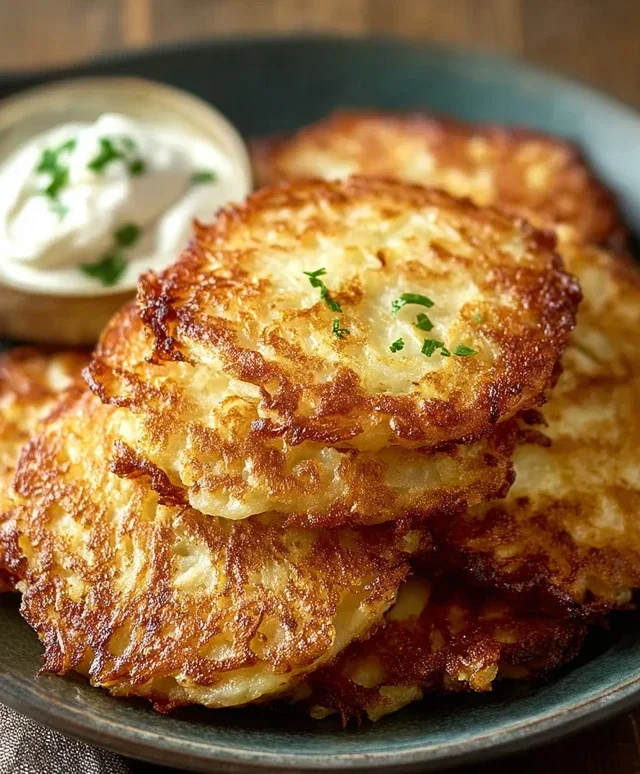
There’s something incredibly comforting and satisfying about a plate of crispy, golden-brown German potato pancakes, also known as Kartoffelpuffer or Reibekuchen. These humble delights are a staple in German cuisine, perfect for breakfast, lunch, or a hearty snack. The beauty of potato pancakes lies in their simplicity – a few basic ingredients transformed into a wonderfully textural and flavorful dish. When made just right, they boast a slightly crisp exterior that gives way to a tender, potato-infused center. The key to achieving that perfect texture is all in the preparation and the frying. Get ready to impress yourself and your loved ones with this classic recipe that’s surprisingly easy to master.
Ingredients:
Cooking Instructions:
1. Preparing the Potato and Onion Base
The foundation of delicious potato pancakes is the quality of your shredded potatoes and onions. Start by taking your peeled russet potatoes and grating them. I prefer using the large holes of a box grater for a texture that’s not too mushy but still holds together well. You can also use a food processor with a grating attachment, but be careful not to over-process. Once grated, it’s absolutely crucial to squeeze out as much liquid as possible from the potatoes. This is where many recipes go wrong, leading to soggy pancakes. You can do this by placing the grated potatoes in a clean kitchen towel or cheesecloth and wringin extractg it out vigorously over the sink. The drier the potatoes, the crispier your pancakes will be. Next, finely grate the small yellow onion. You can also mince it very finely if you prefer smaller pieces of onion throughout. Add the squeezed potatoes and grated onion to a medium-sized bowl. Season generously with a good pinch of salt and a few grinds of black pepper. Remember, you can always add more salt later, but you can’t take it away, so start with a solid base of flavor.
2. Binding the Mixture
Now it’s time to bring our potato and onion mixture together. To the bowl with the seasoned potatoes and onions, add the all-purpose flour and the lightly beaten large egg. The flour acts as a binder, helping to hold the pancakes together during frying, while the egg adds richness and further binding power. Gently mix everything together until just combined. Be careful not to overmix, as this can also contribute to a tougher texture. You want to ensure that the flour and egg are evenly distributed throughout the potato and onion mixture. The consistency should be moist but not overly wet. If it feels a little too dry, you can add a tiny splash of milk or water, but usually, the moisture from the potatoes and onion is sufficient.
3. Heating the Frying Oil
The secret to perfectly crispy potato pancakes is hot oil and not overcrowding the pan. Pour enough vegetable oil into a large, heavy-bottomed skillet or cast-iron pan to generously coat the bottom, about ¼ inch deep. Heat the oil over medium-high heat. You’ll know the oil is ready when a tiny drop of the potato mixture sizzles and floats to the surface immediately. If the oil isn’t hot enough, your pancakes will absorb too much oil and become greasy. If it’s too hot, they’ll brown too quickly on the outside before cooking through on the inside. It’s worth taking a few moments to get the oil temperature just right. You might consider using a thermometer to ensure accuracy, aiming for around 350-375°F (175-190°C).
4. Frying the Potato Pancakes
Once your oil is at the correct temperature, it’s time to fry. Carefully drop spoonfuls of the potato mixture into the hot oil. I like to use about 2-3 tablespoons of batter per pancake, flattening them slightly with the back of the spoon to create round, even discs. Don’t overcrowd the pan; fry in batches to ensure the oil temperature remains consistent and to allow the pancakes to cook evenly without steaming. Fry for about 3-5 minutes per side, or until they are deeply golden brown and beautifully crisp. You’ll see the edges start to firm up and turn a lovely hue. Use a thin spatula to carefully flip them over to cook the other side. Keep an eye on them, as cooking times can vary depending on the heat of your stove and the thickness of your pancakes.
5. Draining and Serving
As each batch of potato pancakes is done, remove them from the hot oil using a slotted spoon or a spider strainer. Place them on a wire rack set over a baking sheet or on a plate lined with paper towels to drain any excess oil. This is another crucial step for achieving that desirable crispness. Resist the urge to stack them immediately on a plate, as this can cause them to steam and lose their crisp texture. Once all your pancakes are fried and drained, it’s time to serve them. German potato pancakes are incredibly versatile when it comes to toppings. The classic pairings are a dollop of unsweetened applesauce for a sweet and tart contrast, and a spoonful of cool, tangy sour cream. For those who enjoy a touch of sweetness, a sprinkle of brown sugar is also a delightful addition. A creamy yogurt sauce can also be a refreshing alternative or addition. Serve them hot and enjoy the delightful crunch and comforting flavor of these homemade German potato pancakes!
Conclusion:
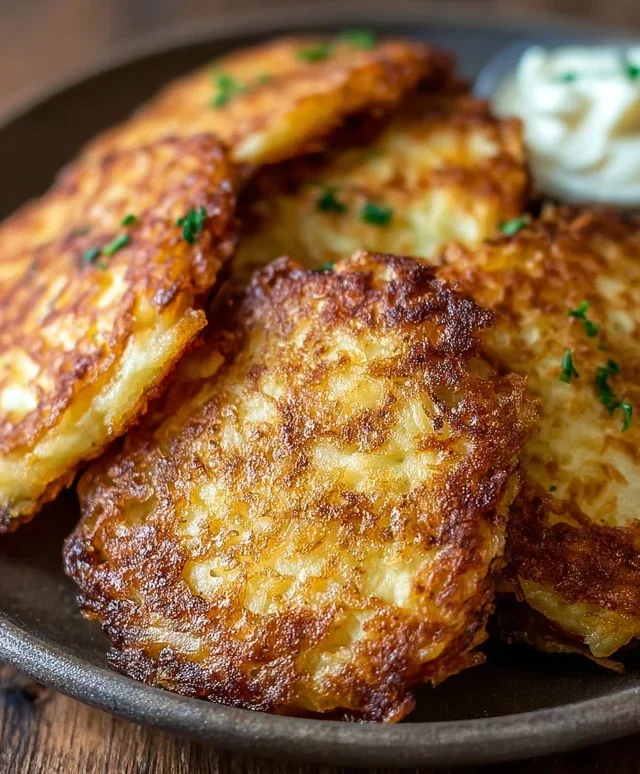
I hope you’ve enjoyed diving into the delicious world of German Potato Pancakes with me! This recipe truly is a winner because it’s wonderfully simple to make, yet delivers such incredibly satisfying results. The crispy edges, fluffy interiors, and subtle savory notes make these potato pancakes a comforting and versatile dish. Whether you’re craving a hearty breakfast, a delightful side dish, or even a light lunch, these golden-brown delights are sure to impress. Don’t be afraid to experiment and make them your own!
For serving, the classic accompaniments are applesauce and sour cream, which offer a perfect balance of sweet and tangy. However, consider also trying them with smoked salmon and dill for a more elegant touch, or a dollop of crème fraîche and chives for a fresh twist. As for variations, feel free to add finely chopped onion or garlic to the batter for an extra layer of flavor, or a sprinkle of fresh parsley or dill for brightness. Some even like to incorporate a touch of nutmeg for warmth. I truly encourage you to give these fantastic German Potato Pancakes a try. They’re a taste of tradition that’s both easy and incredibly rewarding.
Frequently Asked Questions about German Potato Pancakes:
Q: What’s the best type of potato to use for potato pancakes?
A: For the best texture and flavor, starchy potatoes like Russets or Idaho potatoes are ideal. They release excess moisture easily and create that wonderfully crispy exterior while keeping the inside fluffy. Waxy potatoes can sometimes result in a gummier pancake.
Q: Can I make the batter for German Potato Pancakes ahead of time?
A: It’s generally best to make the batter just before you plan to cook the pancakes. The potatoes will start to oxidize and turn brown if left to sit in the batter for too long, which can affect both the appearance and the texture of your finished pancakes.
Q: My potato pancakes aren’t getting crispy. What am I doing wrong?
A: Ensure your pan is hot enough before adding the pancakes, and use a sufficient amount of oil or butter for frying. Also, don’t overcrowd the pan; cook them in batches. Pressing down gently on the pancakes as they cook can also help them achieve a nice crispiness.
German Potato Pancakes
Crispy and savory German potato pancakes, also known as Kartoffelpuffer, are a classic comfort food. Serve with traditional accompaniments.
Ingredients
-
1 pound russet potatoes, peeled
-
1 small yellow onion
-
A good pinch of salt, plus more to taste
-
A few grinds of black pepper
-
3 tablespoons all-purpose flour
-
1 large egg, lightly beaten
-
Vegetable oil for frying
-
Applesauce
-
Sour cream
-
Brown sugar
-
Yogurt sauce
Instructions
-
Step 1
Grate the peeled potatoes and the yellow onion using a box grater or food processor. Squeeze out as much liquid as possible from the grated mixture using a clean kitchen towel or cheesecloth. -
Step 2
In a medium bowl, combine the squeezed potato and onion mixture with the salt, black pepper, all-purpose flour, and lightly beaten egg. Mix until just combined. -
Step 3
Heat about 1/4 inch of vegetable oil in a large skillet over medium-high heat until shimmering. -
Step 4
Carefully drop heaping tablespoons of the potato mixture into the hot oil, flattening them slightly with the back of the spoon to form pancakes. Do not overcrowd the skillet. -
Step 5
Fry for 3-4 minutes per side, or until golden brown and crispy. Adjust heat as needed to prevent burning. -
Step 6
Remove the potato pancakes from the skillet and drain on a wire rack set over paper towels. Season with additional salt if desired. -
Step 7
Serve hot with your choice of applesauce, sour cream, brown sugar, or yogurt sauce.
Important Information
Nutrition Facts (Per Serving)
It is important to consider this information as approximate and not to use it as definitive health advice.
Allergy Information
Please check ingredients for potential allergens and consult a health professional if in doubt.