Easy Homemade English Muffins- Perfect Breakfast Treat
Easy Homemade English Muffins are about to become your new breakfast obsession. Forget those pnon-alcoholic ale, factory-made imitations that barely hold their own. We’re talking about achieving that perfect, nooks-and-crannies texture right in your own kitchen, with a golden-brown crust and a satisfyingly chewy interior. What is it about English muffins that captures our hearts? It’s their incredible versatility, of course! From slathering them with butter and jam to building the ultimate breakfast sandwich, these delightful rounds are the unsung heroes of any meal. And the best part? Crafting your own delicious, easy homemade English muffins is far less daunting than you might imagin extracte. Prepare to elevate your morning routine with a batch of these delightful treasures that taste infinitely better than anything store-bought.
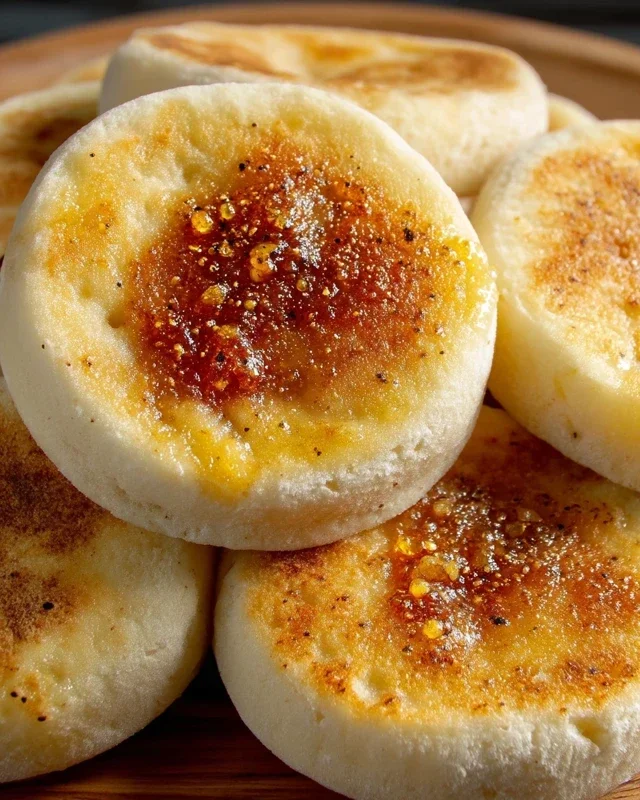
Easy Homemade English Muffins
There’s something incredibly satisfying about biting into a warm, fluffy English muffin, especially when you know you made it yourself. Forget those pre-packaged, slightly rubbery versions; with this recipe, you can create bakery-quality English muffins right in your own kitchen. They’re surprisingly simple to make and perfect for everything from a classic breakfast sandwich to a delightful base for avocado toast. The secret to those beautiful nooks and crannies is in the gentle cooking method. Get ready to impress yourself and anyone lucky enough to share these with you!
Ingredients:
Preparing the Dough
The journey to perfect English muffins begin extracts with activating your yeast. In a large bowl, combine the warm water and sugar. Give it a gentle stir to dissolve the sugar. Sprinkle the instant dry yeast over the surface of the water. Let it sit undisturbed for about 5-10 minutes. You should see the mixture become foamy and bubbly, a sure sign that your yeast is alive and ready to work its magic. If it doesn’t foam, your yeast might be old, or the water was too hot or too cold. In that case, it’s best to start again with fresh yeast.
Once your yeast is bubbly, add the oil (or melted butter) to the bowl. Now it’s time for the flour. Add 2 ¾ cups of all-purpose flour (or bread flour for a chewier muffin) and the salt. If you’re using kosher salt, which has larger crystals, add a little extra pinch as it’s less dense than table salt.
Using a sturdy spoon or a dough whisk, mix everything together until a shaggy dough forms. It will look a bit sticky at this stage, and that’s perfectly okay. Don’t be tempted to add all the extra flour at once. The goal is a slightly wet dough that’s manageable but still has some elasticity. If the dough is excessively sticky, add the extra ¼ cup of flour a tablespoon at a time, mixing after each addition, until the dough just starts to pull away from the sides of the bowl.
Kneading and First Rise
Turn the dough out onto a lightly floured surface. Now, for the kneading. You can do this by hand or use a stand mixer with a dough hook. If kneading by hand, gently push the dough away from you with the heel of your hand, then fold it back towards you. Rotate the dough and repeat. Continue kneading for about 5-8 minutes until the dough is smooth and elastic. It should spring back when you gently press it with your finger. If using a stand mixer, knead on medium-low speed for about 4-6 minutes. The dough should be smooth and slightly tacky but not sticking to your fingers.
Lightly grease a clean bowl with a little oil. Place the kneaded dough into the bowl, turning it to coat all sides. Cover the bowl tightly with plastic wrap or a damp kitchen towel. Find a warm, draft-free spot for your dough to rise. This could be in a slightly warm oven (turned off, of course!) or just on your counter if your kitchen is warm. Let the dough rise for about 45-60 minutes, or until it has doubled in size. This first rise develops the flavor and structure of your muffins.
Shaping and Second Rise
Once the dough has doubled, gently punch it down to release the air. Turn the dough out onto a lightly floured surface again. We’re going to shape our English muffins. You can do this a couple of ways. The easiest is to gently pat or roll the dough to about ½ inch thickness. Then, using a 3-inch round cutter (or the rim of a glass), cut out your muffin shapes. Reroll the scraps gently, trying not to overwork them, and cut out more shapes until you’ve used up all the dough. Aim for about 8-10 muffins.
Prepare baking sheets by lining them with parchment paper. Generously sprinkle the parchment paper with cornmeal. This is crucial for that authentic English muffin texture and preventing sticking. Carefully place your cut-out dough circles onto the cornmeal-dusted parchment paper. Make sure they have a little space between them as they will puff up.
Now, let them have their second rise. Loosely cover the shaped muffins with plastic wrap or a damp towel. Again, find a warm spot and let them rise for another 30-45 minutes, or until they look puffy and have increased in size. They won’t double in size this time, but they should look noticeably fuller and lighter.
Cooking the English Muffins
This is where the magic happens and those coveted nooks and crannies are born! Heat a large, heavy-bottomed skillet or griddle over medium-low heat. You want the heat to be gentle and even. Do not preheat the skillet to high heat. Add a generous layer of cornmeal to the skillet – about 2-3 tablespoons. You want enough so that the bottoms of the muffins are well-coated.
Carefully place about 3-4 of the risen English muffin dough rounds onto the cornmeal-covered skillet. Don’t overcrowd the pan; give them room to expand. Cook them for about 5-7 minutes per side, flipping them gently with a spatula. You’re looking for a beautiful golden-brown color on both sides. The low and slow cooking method is key here. If the heat is too high, the outside will burn before the inside is cooked through, and you won’t get those characteristic nooks and crannies.
After cooking on both sides, the muffins should feel firm to the touch and be cooked through. You can test for doneness by gently pressing the side of a muffin; it should feel springy. If they seem to be browning too quickly, reduce the heat further.
Finishing Touches and Serving
Once cooked, remove the English muffins from the skillet and place them on a wire rack to cool slightly. For the best texture, it’s highly recommended to tear them open rather than slicing them with a knife. Use your fingers to gently pull them apart. This reveals all those wonderful nooks and crannies, which are perfect for holding melted butter, jam, or your favorite breakfast toppings. You can toast them lightly for an even crispier exterior. Enjoy your warm, homemade English muffins! They are best enjoyed the day they are made, but can be stored in an airtight container at room temperature for a day or two, or frozen for longer storage.

Conclusion:
And there you have it! Making your own Easy Homemade English Muffins is incredibly rewarding and surprisingly straightforward. The aroma that fills your kitchen as they cook is just divine, and the taste and texture are worlds apart from anything store-bought. You get that perfect balance of slightly chewy interior and beautifully crisp, craggy nooks and crannies, just beggin extractg to be slathered with butter or jam. This recipe is fantastic because it uses simple, pantry-staple ingredients and doesn’t require any fancy equipment. I truly encourage you to give it a try; I promise you won’t be disappointed!
These delicious rounds are incredibly versatile. Beyond the classic butter and jam, they make the most amazing breakfast sandwiches – think beef bacon, egg, and cheese! They’re also superb for Eggs Benedict or simply toasted and served alongside a hearty soup. Don’t be afraid to experiment with variations either. You could add a pinch of dried herbs like rosemary or chives to the dough for a savory twist, or even a touch of sugar and cinnamon for a slightly sweeter treat. I hope you enjoy creating your own perfect batch of these delightful Easy Homemade English Muffins!
Frequently Asked Questions:
Q: Can I make the dough ahead of time?
A: Absolutely! You can prepare the dough and let it rise in the refrigerator overnight. This slow fermentation can actually develop even more flavor. Just bring it to room temperature for about 30-60 minutes before shaping and cooking.
Q: My English muffins aren’t getting very tall. What am I doing wrong?
A: Several things could contribute to this. Ensure your yeast is active. Also, be careful not to overwork the dough when shaping, as this can make it tough. Make sure you’re cooking them on medium-low heat and covering the pan loosely; this steaming effect helps them rise upwards.
Q: How should I store leftover English muffins?
A: Once cooled, store them in an airtight container or a zip-top bag at room temperature for up to 2-3 days. For longer storage, you can freeze them for up to 2-3 months. Simply toast them from frozen or thaw them first.
Easy Homemade English Muffins
Create delicious, fluffy English muffins at home with this simple recipe.
Ingredients
-
1 ¼ cups warm water
-
1 tablespoon sugar
-
1 teaspoon instant dry yeast
-
2 tablespoon canola oil
-
2 ¾ cups all purpose flour
-
1 teaspoon salt
-
cornmeal for dusting
Instructions
-
Step 1
In a large bowl, combine warm water, sugar, and instant dry yeast. Let stand for 5-10 minutes until foamy. -
Step 2
Stir in the oil. Gradually add the flour and salt, mixing until a shaggy dough forms. Knead for about 5-7 minutes until smooth and elastic. -
Step 3
Place dough in a lightly oiled bowl, cover, and let rise in a warm place for 1 hour, or until doubled in size. -
Step 4
Punch down dough and turn out onto a lightly floured surface. Roll or pat dough to about ½-inch thickness. Cut out rounds using a biscuit cutter or glass. -
Step 5
Dust a baking sheet generously with cornmeal. Place dough rounds on the prepared sheet. Cover loosely and let rest for 15 minutes. -
Step 6
Heat a lightly oiled griddle or skillet over medium-low heat. Cook muffins for 5-7 minutes per side, until golden brown and cooked through. Dust with more cornmeal if desired.
Important Information
Nutrition Facts (Per Serving)
It is important to consider this information as approximate and not to use it as definitive health advice.
Allergy Information
Please check ingredients for potential allergens and consult a health professional if in doubt.